
Best Oil for Cooking: How to Choose the Right Oil for Every Recipe
There is no single best cooking oil for everything. The best oil for cooking depends on what you’re making: the cooking temperature, the method and how much flavor you want the oil to add. This guide explains what to look at, which oil fits each cooking method and how to choose between the different types of olive oil.
What Makes a Good Cooking Oil?
Three things decide whether an oil is the right one for a recipe:
- Smoke point
- The smoke point of an oil is the temperature at which it begins to degrade from excessive heat, producing smoke that becomes visible to the naked eye. Oils with a higher smoke point are better for high-temperature cooking.
- Oxidative stability
- When cooking oil is exposed to heat, light and oxygen, it can oxidize. The more an oil can resist reacting with oxygen and breaking down, the better it is for cooking. This is called oxidative stability, and thanks to it, both olive oil and extra virgin olive oil are recommended for cooking.
- Flavor
- Some oils are neutral; others add character. Extra virgin olive oil brings fresh herb, vegetable and fruit aromas, while refined olive oils are milder and let other ingredients lead.
What Are the Best Cooking Oils for Each Method?
What are the best cooking oils? The answer changes with the cooking method. Use this quick guide:
- Dressings, dips and drizzling: For flavor without heat, choose Bertolli Extra Virgin Olive Oil Rich Taste or Dress & Drizz.
- Sautéing and pan cooking: For flavor and versatility, choose Bertolli Extra Virgin Olive Oil.
- Roasting vegetables: For medium to high heat, choose Bertolli Extra Virgin Olive Oil or Cooking Olive Oil.
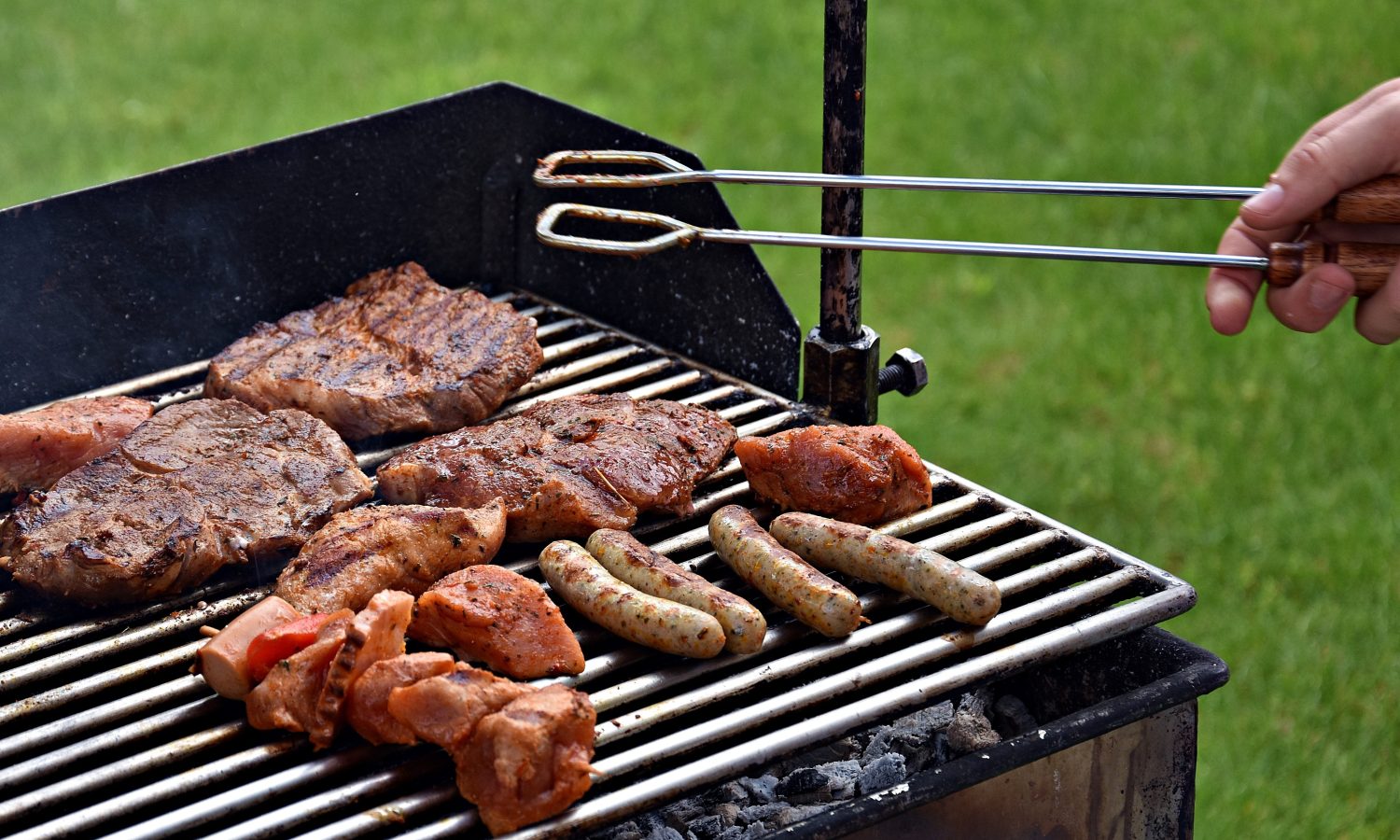
- Frying and grilling: For high heat, choose Bertolli Cooking Olive Oil or Olive Oil Extra Light Taste.
- Baking: For mild flavor and medium to high heat, choose Bertolli Olive Oil Extra Light Taste or Extra Virgin Olive Oil Smooth Taste.
- Air frying: For a thin, even coating, choose Bertolli Air Fryer Olive Oil Spray.
What Is the Best Oil to Cook With at High Heat?
For searing, frying and grilling, the best oil to cook with is one with a higher smoke point. Refined olive oils have a high smoke point, making them suitable for high-temperature cooking, including frying, baking and grilling. That’s why Bertolli Cooking Olive Oil and Bertolli Olive Oil Extra Light Taste are a practical choice when the heat goes up.
Extra virgin olive oil has a lower smoke point, which makes it ideal for medium-low heat cooking and no-cook recipes.
Is Olive Oil the Best Oil for Cooking and Frying?
Olive oil is one of the most versatile options because one family of oils covers every method. When looking for the best oil for cooking and frying, choose by type:
- Extra virgin olive oil: obtained exclusively by mechanical processes, without refining. Fruity, complex flavor. Best for no-cook recipes, finishing and medium-low heat cooking.
- Olive oil (also called pure olive oil): a blend of refined olive oil and virgin or extra virgin olive oil. Milder flavor and higher smoke point. Suited to frying, baking and grilling.
- Extra light tasting olive oil: contains a lower percentage of virgin or extra virgin olive oil, resulting in less flavor and aroma. Good for baking and frying when you want a neutral taste.
Want the full comparison? Read our guide on extra virgin olive oil or olive oil.
Extra Virgin Olive Oil for Cooking or for Finishing?
Both. Everyday extra virgin olive oils, like Bertolli Extra Virgin Olive Oil, are made for daily cooking. For finishing, drizzling and dipping, choose an extra virgin olive oil with a fuller flavor profile, such as Bertolli Extra Virgin Olive Oil Rich Taste: try it over pasta, grilled vegetables, soups or a slice of crusty bread. If you prefer a gentler taste, Bertolli Extra Virgin Olive Oil Smooth Taste works well in dressings and baking.
How to Choose a Quality Cooking Oil at the Store
These four checks take seconds. For a deeper guide, read how to choose a high-quality olive oil.
- Read the grade: extra virgin, olive oil or extra light tells you how the oil was made and how to use it.
- Check the dates: the best before date is set by the producer to make sure the oil keeps the properties of its category until then. Some bottles also show a harvest date.
- Check the packaging: make sure the bottle is properly sealed and in good condition. Store olive oil in a cool, dark place away from direct sunlight and heat to help preserve its quality and flavor.
- Understand origin: Bertolli blends olive oils from multiple origins to keep the same quality and flavor profile year after year, without depending on a single harvest. Blending olive oils from different origins still produces 100% olive oil.
How to Store Cooking Oil
Oxygen, temperature and light speed up the oxidation of olive oil. Keep your bottle in a cool (55–68°F), dark place, away from the stove, and close it tightly after each use. Once opened, it should be used as quickly as possible. Here’s how long olive oil lasts.
The Bottom Line: Match the Oil to the Recipe
The best cooking oil is the one that fits the dish: extra virgin olive oil for flavor and medium-low heat, refined olive oils for frying, baking and grilling. Bertolli offers a range of olive oils for every cooking need. Put it into practice with our simple olive oil recipes.
Frequently Asked Questions
What is the best oil for cooking?
It depends on the recipe. Extra virgin olive oil is ideal for no-cook recipes and medium-low heat cooking, while refined olive oils, such as Bertolli Cooking Olive Oil and Olive Oil Extra Light Taste, have a higher smoke point and are suitable for frying, baking and grilling.
Can you fry with olive oil?
Yes. Pure and extra light tasting olive oils can be used for frying, as their smoke points are higher than that of extra virgin olive oil. Extra virgin olive oil is a great choice for medium-low heat cooking and no-cook recipes.
What is the best oil for baking?
For baking, choose an oil with a mild flavor, like Bertolli Olive Oil Extra Light Taste. If you want a fruitier note in cakes or cookies, use Bertolli Extra Virgin Olive Oil Smooth Taste.
Does heating olive oil change it?
The fatty acid composition of olive oil remains stable when heated during normal cooking practices. However, prolonged heating at high temperatures can speed up oxidation, so avoid keeping the oil above its smoke point for long periods.
Which Bertolli olive oil is best for everyday cooking?
Bertolli Extra Virgin Olive Oil is designed for everyday use, from sautéing to roasting. For high-heat cooking, choose Bertolli Cooking Olive Oil; for dressings and finishing, Bertolli Extra Virgin Olive Oil Rich Taste.
